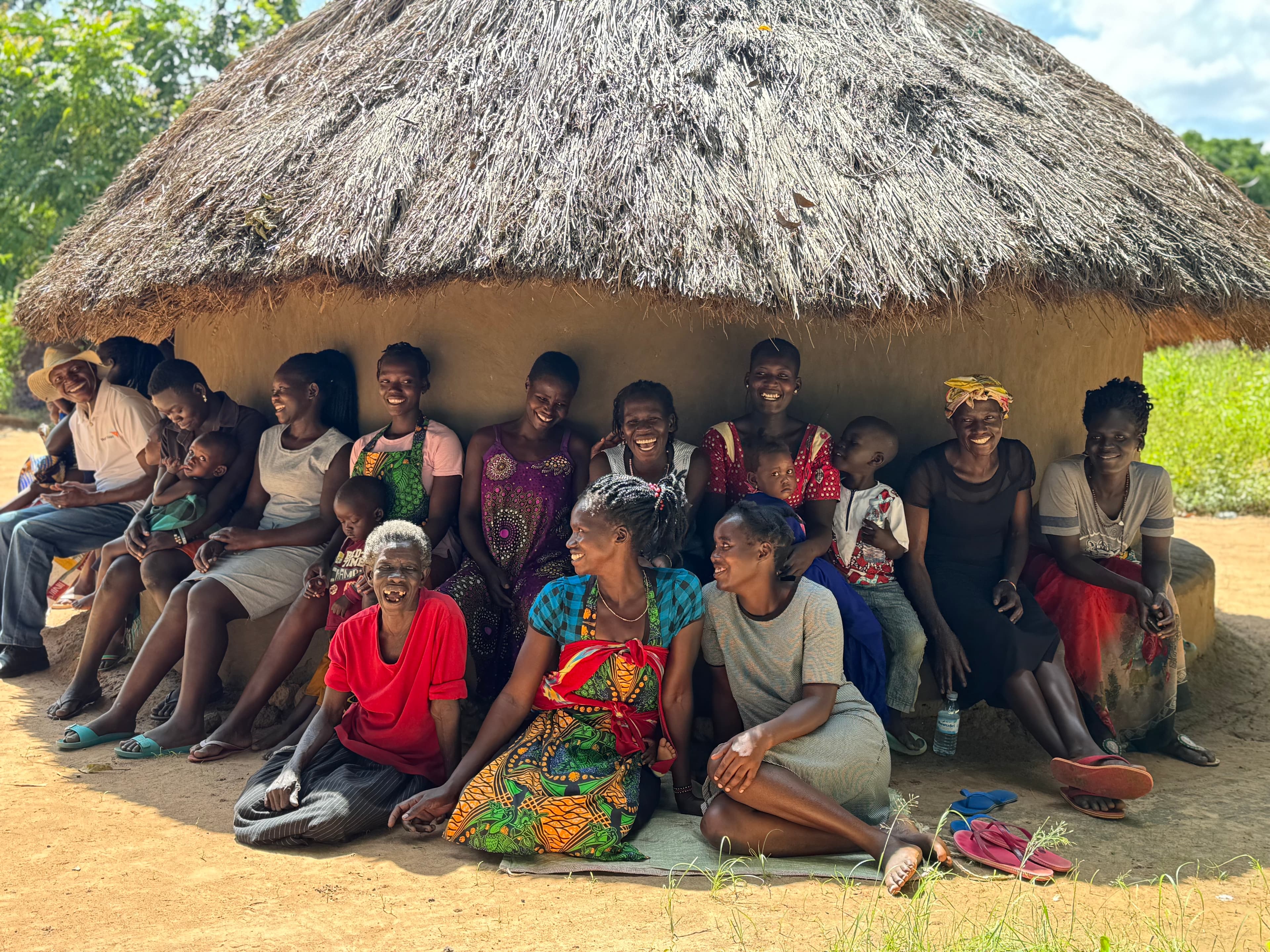
Be A Number partners with local leadership in Northern Uganda to design and operate integrated community systems — healthcare, education, workforce development, and local economic infrastructure — that move communities from survival to long-term stability.
In 2025 alone, our work reached 700+ patients, 60 women, and 15 students, demonstrating how durable institutions, when owned and led by the community, generate measurable outcomes and lasting transformation.
Each system is built to sustain itself through earned income and local ownership, ensuring long-term operations beyond initial investment and enabling replication across post-conflict regions.
These results demonstrate the model's effectiveness. We are on track to reach 20,000+ lives within five years and replicate the model in additional post-conflict regions.

Community-led planning
Build foundational community systems
Sustain through local jobs + earned income
Unlike traditional aid programs, we build systems that sustain themselves. Communities own and operate all programs long-term.
Traditional aid often creates dependency: communities wait for outside funding, programs end when donations stop, and local leadership is sidelined. Our model works differently. We invest in infrastructure, training, and income-generating activities that create earned revenue. Programs become self-sustaining, ensuring operations continue without ongoing external funding. Communities set priorities, local staff run operations, and the systems we build become permanent assets.
This model can be replicated in any post-conflict region where community leadership and local partnerships are in place.

Four integrated systems work together to create sustainable, long-term change. Each system generates measurable outcomes and can operate independently.
Medical center and outreach programs provide essential healthcare services. Measured outcomes include patient visits, treatment completions, and health education sessions. Operations are sustained through local partnerships and community support.
700+ patient visits in 2025
School infrastructure serves 380 students. Scholarships support children from early childhood through secondary education. Measured outcomes include enrollment rates, completion rates, and academic performance. School fees sustain operations long-term.
380-student capacity school opening 2026
Vocational training programs teach practical skills in sewing, construction, and other in-demand trades. Measured outcomes include training completions, job placements, and business starts. Programs are designed to respond to local market needs.
68 adults trained
Economic activities include local business support, job creation, and income-generating partnerships. Measured outcomes include jobs created, businesses supported, and revenue generated. These activities ensure long-term program sustainability.
30 local jobs supported
The people of Northern Uganda are building their own future. Community leaders set priorities, local staff run operations, and families participate in programs that will sustain generations to come.

Local elders and elected leaders work with our team to identify community needs and set program priorities. Their leadership ensures programs reflect local values and long-term goals.
All programs are staffed by trained local professionals—teachers, healthcare workers, and vocational instructors. They run daily operations and build relationships with participants.
Families participate in health programs, students attend school, and adults learn new skills. Their success creates lasting change that extends to future generations.
All infrastructure built and operated by local partners in Northern Uganda.
Operational
95% complete; 380-student capacity
Active
For university cohorts
We partner with established institutions to ensure program quality, accountability, and replicability. Academic partnerships provide technical expertise and program validation. Local organizations implement programs with community leadership. These partnerships demonstrate the model's ability to scale across regions.

Core local implementing partner in Northern Uganda
Academic partner; four student cohorts scheduled for 2026
Longstanding civic partner supporting health, education, and community development initiatives
Local institutional partner advancing health, education, and post-conflict community development
"This partnership has transformed our community. Our children now have access to education, our families have healthcare, and our people have skills to build their futures. We are building something that will last for generations."
— Community Leader, Northern Uganda
Your investment supports sustainable systems that generate measurable, long-term outcomes. 96–97% of all funding directly supports programs and community impact. We operate with a lean administrative structure and report all outcomes and financials annually.
Monthly donors provide predictable funding that helps us plan long-term programs and sustain local jobs.
You may also choose your own amount.
Founded by Kevin Hershock after 15+ years of community work in Northern Uganda
Our 5-year goal: Reach 20,000+ lives and replicate this model across post-conflict regions.
Reports: 2025 Impact & Financial Summary • 2025 Annual Report
All reports independently reviewed and publicly available.